


In today’s competitive business world, having a good product or service is no longer enough. Customers are surrounded by thousands of brands every day, all competing for attention. What truly separates successful businesses from struggling ones is how clearly and powerfully they position their brand in the market. Marketing and brand positioning work together to shape how people think, feel, and decide when they see your brand.
Brand positioning is about owning a specific place in the customer’s mind. Marketing is the tool that communicates and reinforces that position over time. When these two elements are aligned, businesses create clarity, trust, and long-term loyalty. When they are misaligned, even strong products fail to gain traction.
This article explains marketing and brand positioning in a simple and practical way. You will learn what brand positioning really means, why it matters, how to build it, how it affects marketing channels, and how strong brands use positioning to grow. By the end, you will clearly understand how to create a positioning strategy that supports sustainable business success.
What Brand Positioning Means in Marketing
Brand positioning in marketing refers to how a brand is perceived in comparison to competitors. It is the deliberate effort to define what your brand stands for, who it is for, and why it is different and valuable. Positioning answers one simple but powerful question: Why should a customer choose you instead of someone else?
Brand positioning is not a slogan, logo, or advertisement. Those are expressions of positioning, not the positioning itself. True positioning lives in the mind of the customer. It is shaped by experiences, messaging, consistency, and trust built over time.
For example, when people think of reliability and safety in cars, brands like Volvo often come to mind. That association did not happen by accident. It was built through years of consistent messaging, product decisions, and marketing that reinforced safety as a core promise.
Marketing plays a crucial role in reinforcing positioning. Every advertisement, social media post, website page, and customer interaction either strengthens or weakens the position a brand wants to own.
The Role of Brand Positioning in Modern Marketing
Modern marketing is no longer just about promotion. It is about meaning. Customers want to understand what a brand stands for and whether it aligns with their values, needs, and expectations. Brand positioning gives marketing a clear direction and purpose.
Without clear positioning, marketing efforts become scattered. Campaigns may look creative but fail to connect. Messaging changes too often, confusing customers. One month the brand talks about price, the next month about quality, and later about innovation. This inconsistency weakens trust.
With strong positioning, marketing becomes focused and effective. Every message supports the same idea. Over time, customers begin to recognize the brand instantly and associate it with specific benefits or emotions. This clarity makes marketing more efficient and reduces the cost of acquiring customers.
Positioning also helps brands choose the right marketing channels. A premium brand, for example, will focus on high-quality content and selective platforms, while a mass-market brand may prioritize reach and frequency.
Why Brand Positioning Matters for Business Success
Brand positioning is not just a marketing concept. It directly impacts business performance. A well-positioned brand enjoys stronger recognition, higher customer loyalty, and better pricing power.
When customers clearly understand what a brand offers and why it is different, they feel more confident in their decision. This confidence reduces hesitation and increases conversion rates. Over time, it also increases repeat purchases and referrals.
Positioning also protects businesses from competition. When a brand owns a clear space in the market, competitors find it harder to copy or replace it. Even if similar products appear, customers remain loyal because they trust the brand’s promise.
Strong positioning also supports long-term growth. It guides product development, customer experience, partnerships, and internal decision-making. Employees understand what the brand stands for and can act consistently with that vision.
Key Components of a Strong Brand Positioning Strategy
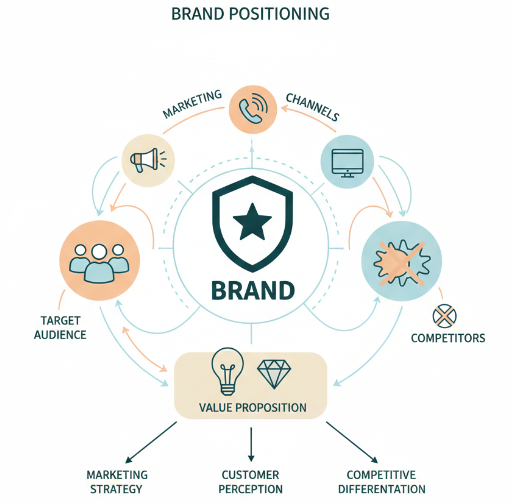
Every effective brand positioning strategy is built on a few essential components that work together to create clarity and differentiation.
The first component is a deep understanding of the target audience. Brands must know who they are serving, what problems customers face, what motivates them, and what influences their decisions. Positioning that ignores customer reality will never succeed.
The second component is a clear value proposition. This explains the unique benefit the brand delivers and why it matters. A strong value proposition focuses on customer outcomes rather than product features. It communicates value in a way that feels relevant and meaningful.
The third component is competitive awareness. Brands must understand how competitors position themselves and where gaps exist. Effective positioning does not try to be everything to everyone. Instead, it chooses a specific space that competitors cannot easily claim.
The final component is consistency. Positioning only works when it is reinforced consistently over time. Messaging, visuals, tone, and customer experience must align with the chosen position across all touchpoints.
Developing a Brand Positioning Strategy Step by Step
Creating a brand positioning strategy requires thoughtful analysis and intentional choices. It begins with research and reflection.
Brands must first analyze their audience, competitors, and internal strengths. This includes understanding customer needs, identifying unmet expectations, and evaluating what the brand can realistically deliver better than others.
Next, brands define their positioning statement. This internal statement clarifies who the brand serves, what category it competes in, what makes it different, and why customers should believe it. While customers may never see this statement, it guides all marketing decisions.
After defining positioning, brands must align their marketing strategy to support it. Messaging, content, advertising, and customer experience must all reinforce the same idea. Over time, repetition and consistency strengthen perception.
Positioning should also be tested and refined. Customer feedback, market changes, and performance data help brands adjust without losing their core identity.
Brand Positioning Examples from Successful Brands
Many of the world’s most successful brands are strong because of clear positioning.
Apple positions itself around simplicity, innovation, and premium experience. Its marketing focuses on how products feel and integrate into life, rather than technical specifications. This positioning allows Apple to charge premium prices and maintain strong loyalty.
Nike positions itself as a brand for motivation and personal achievement. Its messaging focuses on inspiration, perseverance, and empowerment. Nike does not sell shoes; it sells the idea of becoming better.
Dove positions itself around real beauty and self-confidence. By challenging traditional beauty standards, Dove created emotional connection and trust, especially among women. This positioning transformed Dove from a soap brand into a movement.
These examples show that effective positioning is not about being loud. It is about being clear and meaningful.
Common Brand Positioning Mistakes to Avoid
Many brands struggle because they make avoidable positioning mistakes. One common mistake is trying to appeal to everyone. When brands try to be everything, they end up being nothing specific.
Another mistake is focusing only on features instead of value. Customers care less about what a product does and more about how it improves their life. Feature-based positioning is easy to copy and rarely creates emotional connection.
Inconsistency is another major issue. Changing messages too frequently confuses customers and weakens trust. Positioning must be stable even when campaigns change.
Some brands also fail by ignoring internal alignment. If employees do not understand or believe in the positioning, it will not be delivered consistently in customer interactions.
How Brand Positioning Influences Marketing Channels
Brand positioning shapes how marketing is executed across all channels. Content marketing reflects positioning through tone, topics, and storytelling. Social media shows positioning through engagement style and community interaction. Advertising reinforces positioning through visuals, language, and emotion.
Even website design and user experience communicate positioning. A premium brand uses clean layouts and refined visuals. A bold brand may use vibrant colors and dynamic messaging.
When positioning is clear, marketing decisions become easier. Brands know what to say, how to say it, and where to say it.
Evolving and Refreshing Brand Positioning Over Time
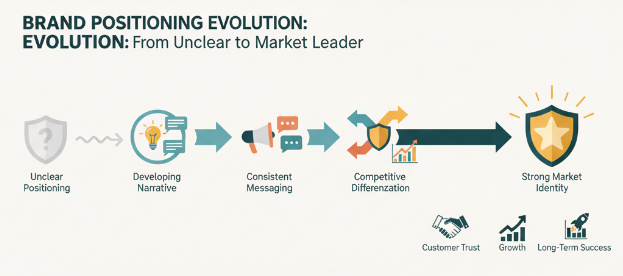
Brand positioning is not fixed forever. Markets evolve, customer expectations change, and competitors shift. Strong brands know when to refresh positioning while staying true to their core identity.
Repositioning does not mean abandoning everything. It means adapting messaging, emphasis, or focus to remain relevant. Successful repositioning is gradual and intentional, guided by customer insight.
Brands that fail to evolve risk becoming outdated or irrelevant, even if they were once market leaders.
Frequently Asked Questions About Marketing and Brand Positioning
What is the difference between branding and brand positioning?
Branding is the overall identity of a business, including visuals, voice, and personality. Brand positioning is the strategic decision about how that brand is perceived in comparison to competitors. Positioning guides branding.
Can small businesses benefit from brand positioning?
Yes, brand positioning is even more important for small businesses. Clear positioning helps them stand out, attract the right customers, and compete with larger brands without relying on large budgets.
How long does it take to see results from brand positioning?
Brand positioning is a long-term strategy. Initial clarity can improve marketing performance quickly, but strong perception and loyalty typically develop over months or years through consistent execution.
Can a brand change its positioning?
Yes, brands can reposition when necessary. However, repositioning should be done carefully, based on research and customer insight, to avoid losing trust.
Conclusion Building Long-Term Success Through Marketing and Brand Positioning
Marketing and brand positioning are inseparable. Positioning defines who you are and why you matter. Marketing communicates and reinforces that meaning every day. When both work together, brands create clarity, trust, and lasting value.
In a crowded marketplace, the brands that win are not the loudest but the clearest. They understand their audience, choose a meaningful position, and consistently deliver on their promise. Whether you are building a new brand or refining an existing one, investing in strong positioning is one of the most powerful decisions you can make for long-term success.