



A Strategic Guide for Scalable Organizations
As organizations grow, change becomes inevitable. New employees, evolving processes, increased workloads, and higher expectations often arrive simultaneously. While growth is a positive indicator of business success, managing change within growing teams is where many organizations struggle the most.
Without a structured and intentional change management approach, growth can quickly lead to confusion, resistance, reduced productivity, and cultural misalignment. Teams may feel overwhelmed, leaders may feel stretched thin, and operational efficiency may begin to decline. This guide explains how leaders can manage change effectively while scaling teams ensuring stability, engagement, and long-term organizational success.
Understanding Change in Growing Teams
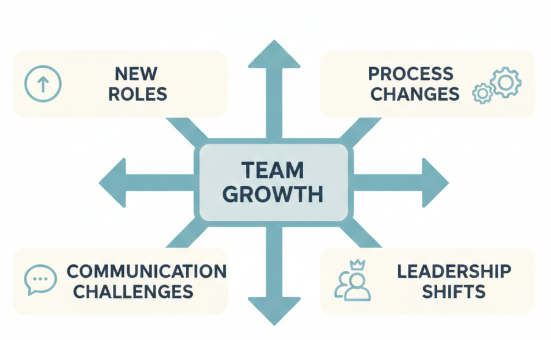
Change within growing teams goes far beyond simply hiring more people. It includes shifts in responsibilities, leadership structures, communication patterns, workflows, and decision-making authority. As organizations expand, the systems that once worked for a small team often become insufficient for a larger workforce.
When growth happens rapidly, teams may feel uncertain, disconnected, or unclear about expectations. Employees who were once closely involved in decision-making may now feel distanced from leadership. Successful organizations understand that growth-related change must be managed intentionally rather than reactively to avoid disruption.
What Triggers Change During Team Growth?
Several factors introduce change as teams expand. These include rapid hiring to meet increased demand, expansion into new markets or services, and the adoption of new tools, systems, or technologies. Additionally, growing organizations often face increased compliance, safety, or quality requirements that demand stricter processes and controls.
Structural changes in leadership and reporting are also common triggers. As teams grow, informal leadership structures give way to more defined hierarchies, which can feel unfamiliar or uncomfortable if not communicated clearly. Each of these shifts directly impacts how teams operate, collaborate, and perform.
Why Growth Often Feels Disruptive
Growth disrupts established routines and comfort zones. Employees may feel unsure about their roles, decision-making authority, or long-term job security. Even positive changes can create stress when expectations are unclear or communication is inconsistent.
Without clarity and guidance, teams may experience inefficiencies, increased errors, or disengagement. This is why leaders must address not only operational changes but also the emotional impact of growth.
Common Growing Pains Teams Experience
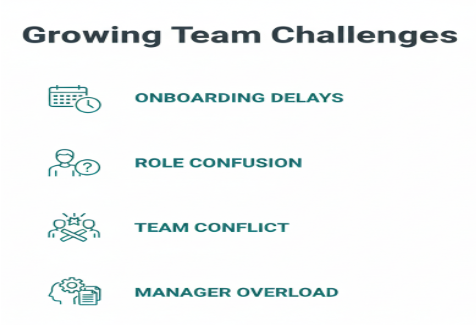
Most growing teams experience similar challenges. Recognizing these issues early allows leaders to address them proactively before they affect performance or morale.
Ramp-Up Time for New Team Members
New hires require time to understand company processes, tools, expectations, and culture. Without a structured onboarding system, productivity can slow significantly. Existing team members may feel pressured to train newcomers while still managing their own responsibilities, leading to frustration and burnout.
Role Confusion and Responsibility Overlap
As teams expand, responsibilities often shift. Without clearly defined roles, employees may duplicate work or overlook critical tasks. This lack of clarity creates accountability gaps and can lead to tension among team members.
Increased Conflict and Misalignment
A growing team brings diverse perspectives, which can be beneficial but also challenging. Without strong communication and shared goals, misunderstandings become more frequent. Misalignment between departments or individuals can slow decision-making and reduce collaboration.
Leadership Overload
Managers in growing organizations often struggle to balance operational tasks with people management and strategic planning. As their workload increases, leaders may become reactive rather than proactive, which negatively impacts team performance.
The Human Side of Change Management
Change is not just operational, it is deeply emotional. Teams respond to change based on how safe, informed, and valued they feel throughout the transition.
Why Teams Resist Change
Resistance often stems from fear of the unknown, loss of control, or disruption to familiar routines. Poor communication or past negative experiences with change can amplify this resistance. Employees may worry about their relevance, workload, or ability to adapt.
Understanding the root causes of resistance allows leaders to respond with empathy and support rather than pressure or enforcement.
How Change Impacts Motivation and Performance
When change is unclear or poorly managed, motivation declines. Employees may disengage, make more mistakes, or avoid taking initiative. Conversely, when change is communicated effectively and employees feel supported, it can inspire growth, innovation, and higher performance.
Strategies to Manage Change in Growing Teams
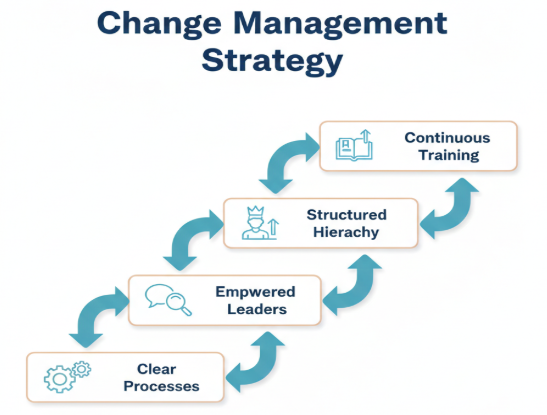
Managing change successfully requires structure, leadership commitment, and consistency.
Establish Clear Processes Early
Documenting workflows, standard operating procedures, and decision-making structures is essential as teams scale. Clear processes reduce confusion, ensure consistency, and maintain quality during growth.
Build Trust Through Transparent Communication
Leaders must clearly explain what is changing, why it’s changing, and how it affects employees. Regular updates and open dialogue reduce uncertainty and build trust.
Trust and Empower Team Leaders
Delegating authority prevents leadership bottlenecks. Empowered leaders make faster decisions, support their teams effectively, and improve morale.
Don’t Fear Hierarchy Use It Wisely
A well-defined hierarchy improves accountability and efficiency, especially in technical and operational environments where precision is critical.
Invest in Training and Continuous Learning
Ongoing training prepares employees for evolving roles and reduces resistance to new systems or processes. Continuous learning supports adaptability and long-term growth.
Onboarding for Growth and Change
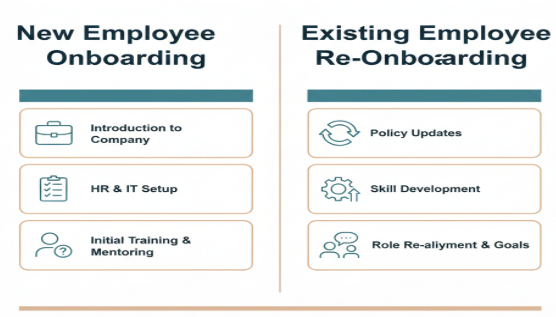
Onboarding is a critical component of change management during expansion.
Onboarding New Employees Effectively
A structured onboarding program ensures new hires integrate quickly, understand expectations, and align with company standards. Effective onboarding reduces ramp-up time and increases retention.
Re-Onboarding Existing Employees During Change
When processes, systems, or structures change, existing employees also need guidance. Re-onboarding helps realign teams, reinforce expectations, and prevent costly errors.
Maintaining Company Culture While Scaling
Growth should strengthen culture, not dilute it.
Protecting Core Values During Expansion
Company values must be clearly communicated and reinforced through leadership behavior, policies, and decision-making. Culture should remain consistent even as teams grow.
Recognizing and Rewarding Adaptability
Acknowledging employees who embrace change and support others during transitions reinforces positive behavior and builds resilience.
Managing Resistance to Change
Resistance is natural but manageable with the right approach.
Identifying Early Signs of Resistance
Early indicators include disengagement, declining performance, negativity, or withdrawal from collaboration. Identifying these signs early allows leaders to intervene constructively.
Turning Resistance into Collaboration
Involving employees in discussions, gathering feedback, and addressing concerns openly transforms resistance into ownership and collaboration.
Measuring Success During Change
You can’t manage what you don’t measure.
Performance, Engagement, and Process KPIs
Track productivity, quality metrics, employee engagement, retention, and process efficiency to assess change effectiveness.
Change Management in Technical & Manufacturing Teams
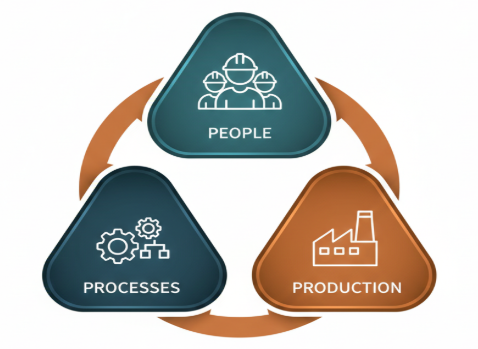
In technical and manufacturing environments, change must be precise and controlled.
Why Structured Change Matters in Industrial Environments
Unmanaged change can compromise safety, compliance, and product quality. Structured change ensures consistency, reliability, and operational excellence.
Aligning People, Processes, and Production
Successful growth aligns human capabilities with operational systems and production goals, ensuring efficiency without sacrificing quality.
Long-Term Benefits of Managing Change Successfully
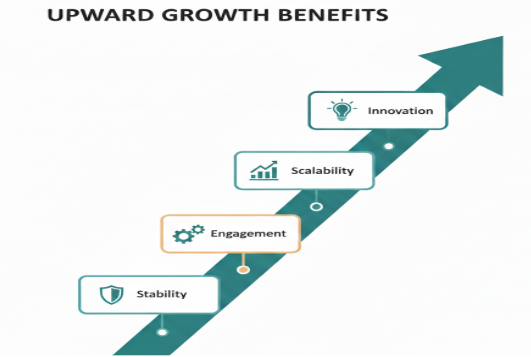
Organizations that manage change effectively experience stronger team alignment, higher employee retention, scalable operations, and improved innovation and performance. Over time, structured change management becomes a competitive advantage.
Final Thoughts: Leading Teams Through Growth With Confidence
Growth is an opportunity but only when change is managed with clarity, empathy, and structure. Leaders who prioritize communication, process alignment, and people development create resilient teams capable of thriving through expansion.
Managing change within growing teams is not a one-time initiative. It is an ongoing leadership responsibility that shapes organizational success for years to come.