



Leadership is one of the most powerful forces behind business success. Companies may have strong products, advanced technology, and sufficient funding, but without effective leadership, growth eventually slows or fails. Leadership is not just about managing people or giving instructions. It is about guiding an organization through uncertainty, aligning people toward a shared goal, and making decisions that create long-term value.
In today’s fast-changing business world, leadership matters more than ever. Markets evolve quickly, teams are often distributed, and employees expect more purpose and clarity from their leaders. Successful businesses are usually led by individuals who understand that leadership is a responsibility, not a title. They develop specific traits that help them inspire trust, handle pressure, and guide their organizations through both opportunity and challenge.
This article explores the leadership traits that consistently drive business success. These traits are not theories or trends. They are proven characteristics found in effective leaders across industries, company sizes, and economic conditions.
What Effective Leadership Looks Like in Modern Business
Effective leadership today looks very different from leadership in the past. Traditional leadership focused on authority, control, and hierarchy. Modern leadership focuses on influence, clarity, and accountability. A strong leader does not need to control every decision. Instead, they create an environment where people can perform at their best.
In modern businesses, leaders act as guides rather than commanders. They set direction, remove obstacles, and help teams understand why their work matters. Effective leaders balance short-term execution with long-term thinking. They focus not only on results but also on the systems, culture, and people that produce those results.
Leadership today also requires emotional awareness. Employees expect respect, transparency, and fairness. Leaders who ignore these expectations struggle to retain talent and maintain trust. Those who embrace them build organizations that are resilient and adaptable.
Why Leadership Traits Matter More Than Ever
Leadership traits matter because businesses operate in environments that are more complex than ever before. Rapid technological change, global competition, remote work, and shifting customer expectations have made leadership more demanding. Technical skills alone are no longer enough.
Strong leadership traits help organizations navigate uncertainty. When markets change or challenges arise, teams look to leaders for direction and stability. A leader’s behavior during difficult times often determines whether a team becomes stronger or disengaged.
Leadership traits also directly affect performance. Clear communication reduces confusion. Integrity builds trust. Adaptability allows businesses to respond quickly. Emotional intelligence improves collaboration. Over time, these traits compound and create sustainable success.
Self-Awareness: The Foundation of Strong Leadership
Self-awareness is the starting point of effective leadership. It refers to a leader’s ability to understand their own strengths, weaknesses, emotions, and impact on others. Leaders who lack self-awareness often make decisions based on ego rather than insight.
A self-aware leader knows when to step in and when to step back. They understand how their behavior affects team morale and performance. They are open to feedback and willing to adjust their approach when necessary.
In business, self-awareness prevents costly mistakes. Leaders who recognize their limitations seek input from others and build stronger teams. This creates better decisions and healthier organizations.
Vision: Creating Direction and Purpose
Vision is the ability to see beyond the present and define a meaningful future. A strong vision gives direction to an organization and helps teams understand where they are going and why it matters.
Effective leaders communicate vision clearly and consistently. They connect daily work to long-term goals. This alignment helps teams prioritize, stay motivated, and make better decisions independently.
Without vision, businesses often drift. Teams become reactive instead of proactive. A clear vision provides focus and creates momentum, especially during periods of growth or change.

Integrity: Building Trust and Credibility
Integrity is one of the most important leadership traits because it builds trust. Trust is the foundation of strong teams, healthy cultures, and long-term business relationships.
Leaders with integrity act consistently. Their words match their actions. They make decisions based on values, even when it is difficult. This consistency creates confidence among employees, partners, and customers.
In business, trust reduces friction. Teams move faster when they trust leadership. Customers remain loyal when they trust a brand. Integrity-driven leadership creates stability and credibility that competitors struggle to replicate.
Communication: Aligning People and Strategy
Communication is a leadership multiplier. Even the best strategy fails if it is not communicated clearly. Strong leaders communicate direction, expectations, and feedback in ways that people understand and trust.
Effective communication is not just about speaking. It also involves listening. Leaders who listen gain better insight into challenges, opportunities, and team dynamics. This improves decision-making and engagement.
Clear communication reduces misunderstandings, aligns effort, and builds accountability. In growing organizations, communication becomes even more critical as complexity increases.
Emotional Intelligence: Leading With Empathy and Awareness
Emotional intelligence is the ability to understand and manage emotions, both one’s own and others’. Leaders with high emotional intelligence create environments where people feel respected and valued.
Empathy helps leaders understand employee motivations, concerns, and stress. This leads to better support, stronger relationships, and higher performance. Emotionally intelligent leaders handle conflict calmly and respond to pressure with clarity.
In modern workplaces, emotional intelligence is essential. Teams are diverse, remote, and often under pressure. Leaders who lack emotional awareness struggle to connect and inspire.
Decision-Making Ability: Turning Insight Into Action
Leadership is ultimately measured by decisions. Strong leaders make timely and thoughtful decisions, even when information is incomplete. They balance speed with quality and understand the risks involved.
Good decision-makers take responsibility for outcomes. They learn from mistakes and adjust quickly. They also empower others to make decisions within clear boundaries.
In business, delayed decisions often cost more than imperfect ones. Leaders who can move forward with confidence create momentum and trust.
Adaptability: Leading Through Change and Uncertainty
Adaptability is the ability to adjust quickly as conditions change. In business, change is constant. Markets shift, technologies evolve, and customer needs change.
Adaptable leaders stay curious and open-minded. They are willing to challenge assumptions and experiment with new approaches. Instead of resisting change, they guide their teams through it.
This trait allows businesses to survive disruption and seize new opportunities. Leaders who are flexible help their organizations remain competitive over time.
Courage: Making Difficult but Necessary Choices
Courage in leadership means making tough decisions when they are required. This includes addressing poor performance, changing direction, or standing by values under pressure.
Courageous leaders are honest, even when the truth is uncomfortable. They take responsibility and protect the long-term health of the business rather than seeking short-term comfort.
In difficult moments, courage separates effective leaders from ineffective ones. Teams respect leaders who act with conviction and fairness.
Resilience: Sustaining Performance Over Time
Resilience is the ability to recover from setbacks and continue moving forward. Every business faces challenges. Leaders who lack resilience often become discouraged or reactive.
Resilient leaders remain focused during uncertainty. They manage stress effectively and model stability for their teams. This helps maintain morale and confidence during difficult periods.
Over time, resilience enables leaders to sustain performance and guide organizations through both success and failure.
Collaboration: Creating High-Performance Teams
Leadership is not a solo effort. Strong leaders encourage collaboration and create environments where people work together effectively.
Collaboration improves problem-solving and innovation. It helps organizations leverage diverse perspectives and skills. Leaders who promote collaboration break down silos and encourage shared ownership.
In successful businesses, collaboration is not accidental. It is intentionally supported by leadership behavior and culture.
Learning Agility: Staying Relevant as a Leader
Learning agility is the willingness and ability to learn continuously. Leaders who stop learning eventually become obstacles to growth.
Agile learners seek feedback, stay informed, and adapt their thinking. They understand that leadership development never ends.
In fast-moving industries, learning agility helps leaders stay relevant and make informed decisions. It also sets a strong example for the rest of the organization.
Leadership as a Social Process, Not a Position
Leadership is not defined by job titles. It is defined by relationships and influence. Effective leadership depends on trust, credibility, and shared understanding.
People choose whether to follow a leader. Authority alone does not create leadership. Respect and consistency do.
Understanding leadership as a social process helps leaders focus on behavior, communication, and trust rather than control.
Common Leadership Myths That Limit Business Success
Many people believe leaders are born, not developed. Others think leaders must have all the answers. These myths prevent growth and discourage leadership development.
In reality, leadership is learned through experience, reflection, and feedback. No leader has all the answers. The best leaders ask good questions and build strong teams.
Letting go of these myths allows organizations to develop leadership at all levels.
How Leadership Traits Directly Impact Business Outcomes
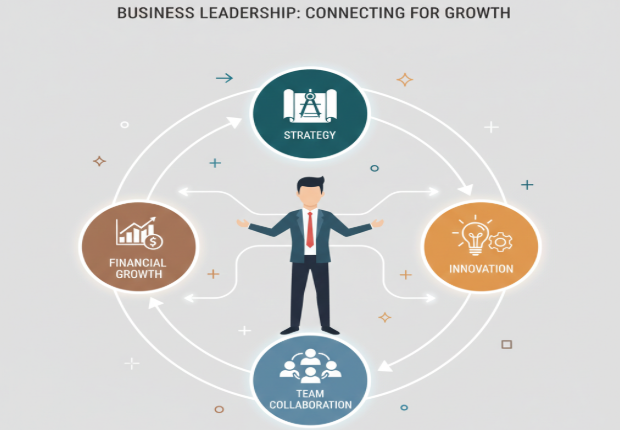
Leadership traits directly affect revenue growth, employee retention, innovation, and customer satisfaction. Strong leadership creates clarity, trust, and alignment.
Weak leadership leads to confusion, disengagement, and inefficiency. Over time, these issues damage performance and culture.
Businesses that invest in leadership development gain a competitive advantage that is difficult to copy.
Developing Leadership Traits Over Time
Leadership traits are not fixed. They develop through experience, reflection, and intentional effort. Leaders improve by seeking feedback, learning from mistakes, and practicing new behaviors.
Mentorship and self-reflection play important roles. Leaders who take responsibility for their growth become more effective over time.
Developing leadership is a continuous process that benefits both individuals and organizations.
Leadership in Growth-Stage and Scaling Businesses
As businesses grow, leadership must evolve. What works in small teams often breaks at scale. Leaders must shift from doing the work to designing systems that support others.
Delegation, clarity, and trust become critical. Leaders who fail to adapt become bottlenecks. Those who evolve enable sustainable growth.
Scaling successfully requires leaders to think structurally, not just operationally.
Leadership Challenges in Modern Organizations
Modern leaders face challenges such as remote work, burnout, rapid change, and information overload. These challenges test leadership traits daily.
Strong leaders respond with clarity, empathy, and adaptability. They prioritize communication and well-being while maintaining accountability.
Leadership traits provide stability in environments that feel increasingly complex.
Frequently Asked Questions About Leadership Traits
What leadership traits are most important for business success?
The most important traits include self-awareness, integrity, communication, adaptability, emotional intelligence, and decision-making ability.
Can leadership traits be learned or are they natural?
Leadership traits can be developed through experience, feedback, and intentional practice.
How does leadership affect company culture?
Leadership shapes culture through behavior, decisions, and values. Culture reflects leadership over time.
Why do technically skilled leaders sometimes fail?
Technical skills do not replace emotional intelligence, communication, and people management abilities.
How can founders and managers improve leadership skills?
Improvement comes from self-reflection, learning, feedback, and consistent practice.
Conclusion: Leadership as the Ultimate Business Advantage
Leadership traits are not optional for business success. They shape strategy, culture, and execution. Over time, strong leadership becomes a powerful competitive advantage.
The most successful leaders understand that leadership is a responsibility that requires continuous growth. By developing the right traits, leaders create organizations that perform, adapt, and endure.
In a world of constant change, leadership remains one of the most valuable assets a business can have.